
Travel Health Do’s and Don’ts
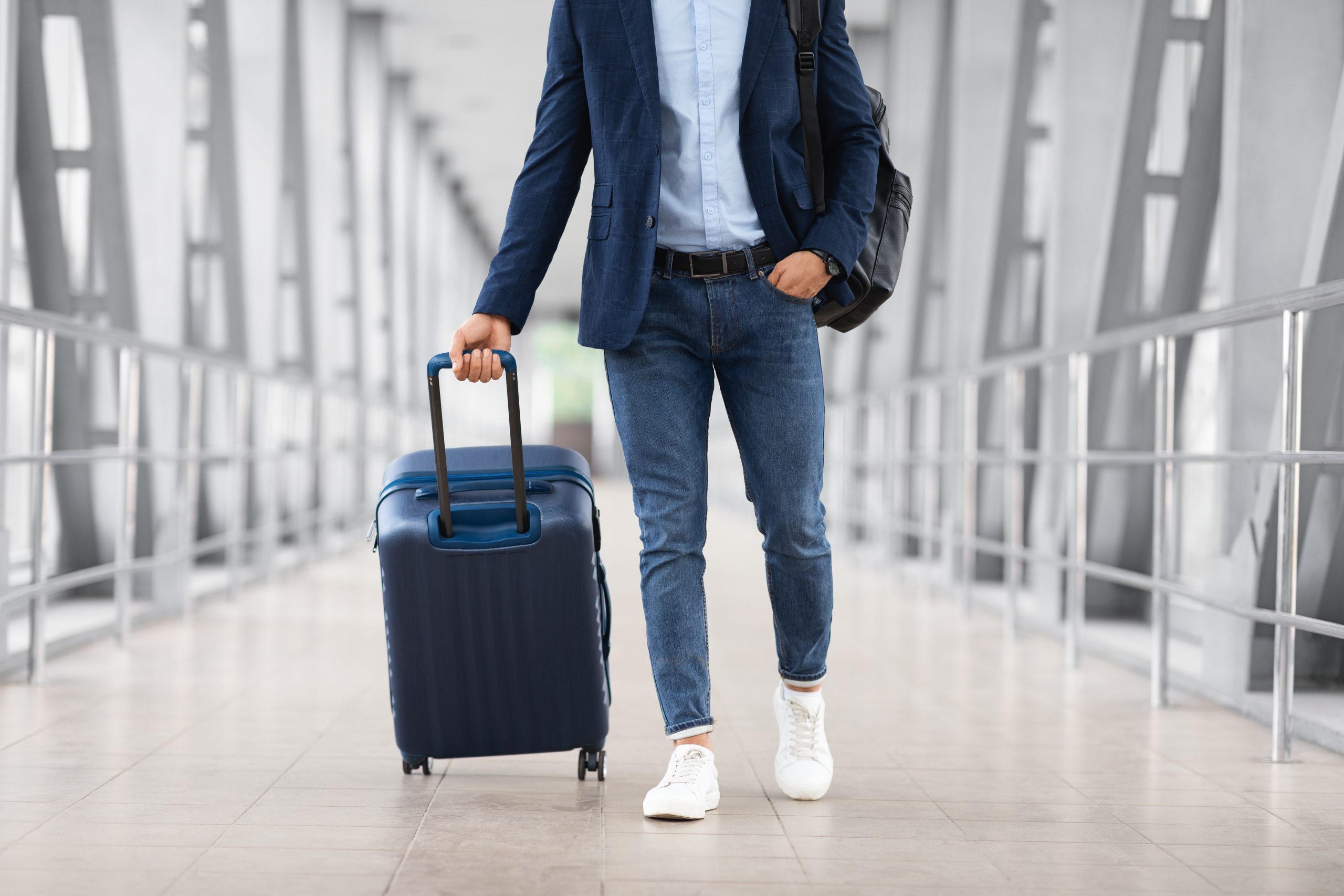
Many travel health and safety guidelines might seem like common sense. But it’s easy to forget about them when you’re in the stressful planning stages or in the midst of a fast-paced itinerary. So before you go, check out our travel health survival guide and remember, preparation is crucial to staying healthy and enjoying your trip.
Before You Leave
DO speak with your primary care provider about any health concerns and preventive measures to address well before your trip, including vaccinations, chronic condition management, and medication supply.
DO your research, especially for international trips. Read up on guidelines around food and water safety, pollution, infectious diseases, and mosquito- and tick-borne illnesses, and look up emergency phone numbers in the country/countries you are traveling to. Be aware that certain types of medications that are legal in the U.S.—such as some ADHD medications and sleeping pills—are highly restricted or banned in some countries.
DON’T pack prescription medications in your checked luggage, as checked luggage can get lost or be exposed to extreme temperatures. Additionally, make sure to carry a few extra days’ worth of medications in case of unexpected circumstances which could delay your travel back home.
On the Way
DO consider using a saline nasal spray before boarding your flight and after arrival. These sprays can relieve dryness and support your nose’s natural ability to clear away germs and airborne particles. Masking can also help protect you from respiratory viruses on a plane.
DON’T overlook your blood clotting risk, especially on flights longer than six hours. Keep in mind that, even for relatively healthy travelers, risk factors for clotting include pregnancy, family history, recent surgery, and estrogen-based medications like birth control pills.
While You’re There
DO practice caution during transportation, especially in countries where motorists drive on the left and traffic laws may not be followed regularly. Always wear a seatbelt, cross at designated crosswalks when the pedestrian light is on, and avoid riding motorcycles.
DON’T drink tap water unless you are sure it’s safe. In some areas of the world, including parts of Latin America, Africa, and Asia, tap water—as well as ice and raw produce that has been washed in tap water—is contaminated and can cause gastrointestinal illness. Even if you’re just brushing your teeth, use bottled or disinfected water.
Not a member yet?
Discover the benefit of ongoing virtual and in-person concierge care from top NYC providers. Learn about membership for you or your household.